About me
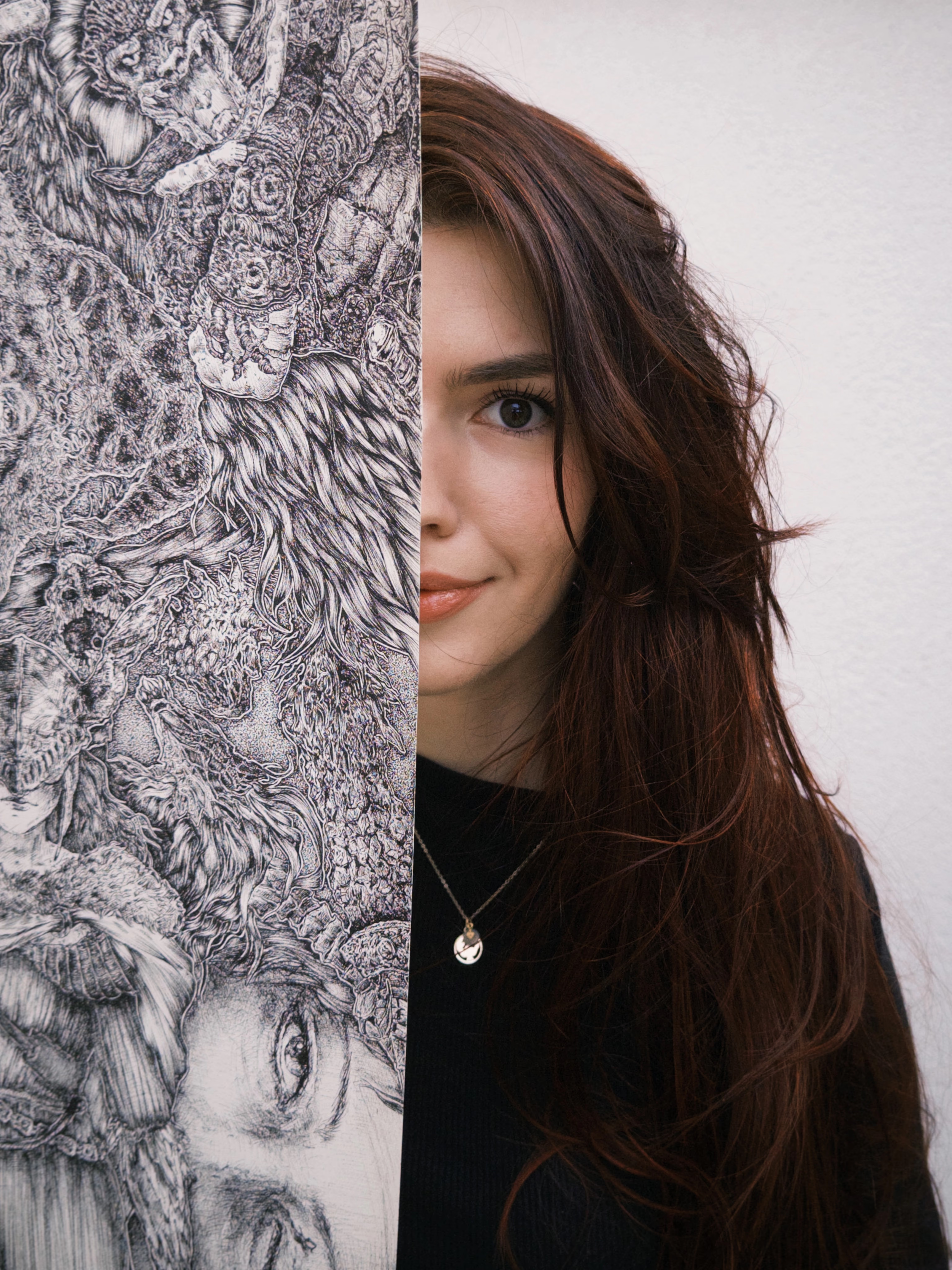
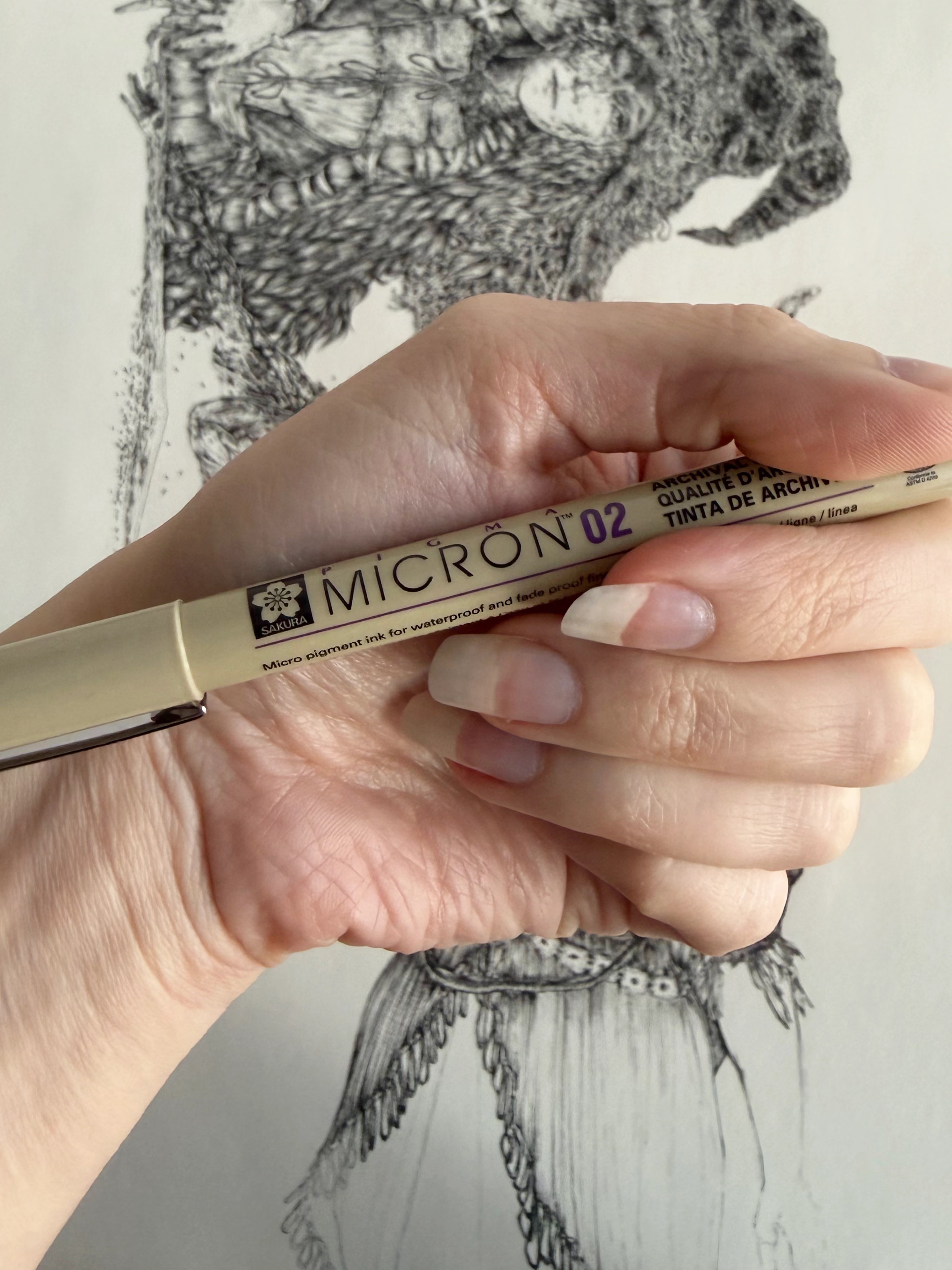
I have been drawing for as long as I can remember. From an early age, drawing became a way of observing and understanding the world around me. I was constantly looking for paper and something to draw, working from subjects that interested me at the time.
Drawing gradually became more than an interest. It developed into a discipline and a way of thinking. Through drawing, I learned to observe carefully, understand structure and translate what I see into line and form.
My formal art education began when I prepared to apply to the School of Applied Arts by Josef Vydra. During my studies, I developed a strong interest in the human figure and anatomy. Life drawing became an important part of my training, teaching me to work through observation, proportion, structure, movement and spatial relationships.
I later earned my master's degree at the Academy of Fine Arts and Design in Bratislava, in Ivan Csudai's painting department. The last three years of my studies were dedicated to drawing and printmaking, which introduced me to a different relationship between image, process and material. Working with printmaking techniques expanded my understanding of repetition, layering, texture and the physical process of creating an image.
During my studies, I also had the opportunity to spend time as an exchange student at Tokyo University of the Arts in Japan, where I worked in the Mokuhanga department.
Working with mokuhanga, a traditional Japanese woodblock printing technique, introduced me to a different approach to image-making and to a visual culture that continues to influence the way I think about art. I was particularly drawn to the relationship between craftsmanship, material, simplicity, detail and the deliberate pace of the process.
My time in Tokyo also deepened my interest in Japanese culture, which has remained an important source of inspiration. The experience continues to shape the way I look at images, objects, design, popular culture and everyday life. Tokyo in particular has stayed with me as a place I continue to think about and return to through my work.
I would like to increasingly incorporate elements of Japanese visual culture and aesthetics into my practice, while allowing them to exist naturally alongside the cultural references and influences that have shaped me elsewhere.
After graduation, I briefly worked in advertising before moving into digital art. For more than six years, I worked under the name Pixelianska, creating digital artwork for NFT, gaming and commercial projects, as well as personal commissions. This period resulted in thousands of digitally created images and gave me extensive experience working across different visual formats, styles and creative requirements.
Although my background is rooted in traditional drawing and painting, my current practice is shaped by a much broader visual culture.
I am deeply interested in film, television, music, animation and popular culture. I am drawn to the way images are constructed and how visual language can create atmosphere, memory and cultural meaning. Cinema in particular has had a significant influence on the way I think about images, from cinematography and composition to color, framing, atmosphere and the relationship between an image and its audience.
I am equally interested in the things that surround popular culture: everyday objects, familiar characters, visual references, nostalgia and the way cultural images are passed from one generation to another. I am interested in what happens to these images over time, how industries shape them and how audiences reinterpret them.
Community has also become increasingly important to my practice. I believe art can be made with people as well as for people. I want my work to create a moment of pause, to interrupt the constant speed of everyday life and give the viewer an opportunity to look, recognize, remember and connect.
Accessibility is therefore an important part of how I approach my work. I do not want art to feel deliberately distant or intimidating. I want people to be able to enter it from different directions, regardless of their background or previous knowledge of contemporary art.
I am interested in creating work that can be approached from multiple perspectives: through personal memory, popular culture, visual references, craftsmanship or simply the experience of looking.
My background in traditional drawing, painting, printmaking, digital art and commercial image-making continues to inform this approach. I bring these different experiences together to explore the relationship between art, popular culture, memory, material and the communities that give images their meaning.
For me, the details matter. The small things are often where recognition, memory and connection begin.
I believe art does not need to be complicated to be meaningful. Sometimes a pen and paper are more than enough.